

Updated:
April 7, 2026
How a “Super” El Niño in 2026 Could Impact Your Allergies
If your allergies feel worse each year, you are not alone. With forecasts pointing toward a possible “super” El Niño in 2026, changes in weather patterns could lead to longer allergy seasons, higher pollen counts, and more intense symptoms for many patients. Let’s break down what that means and how you can stay ahead of your symptoms.
What Is El Niño?
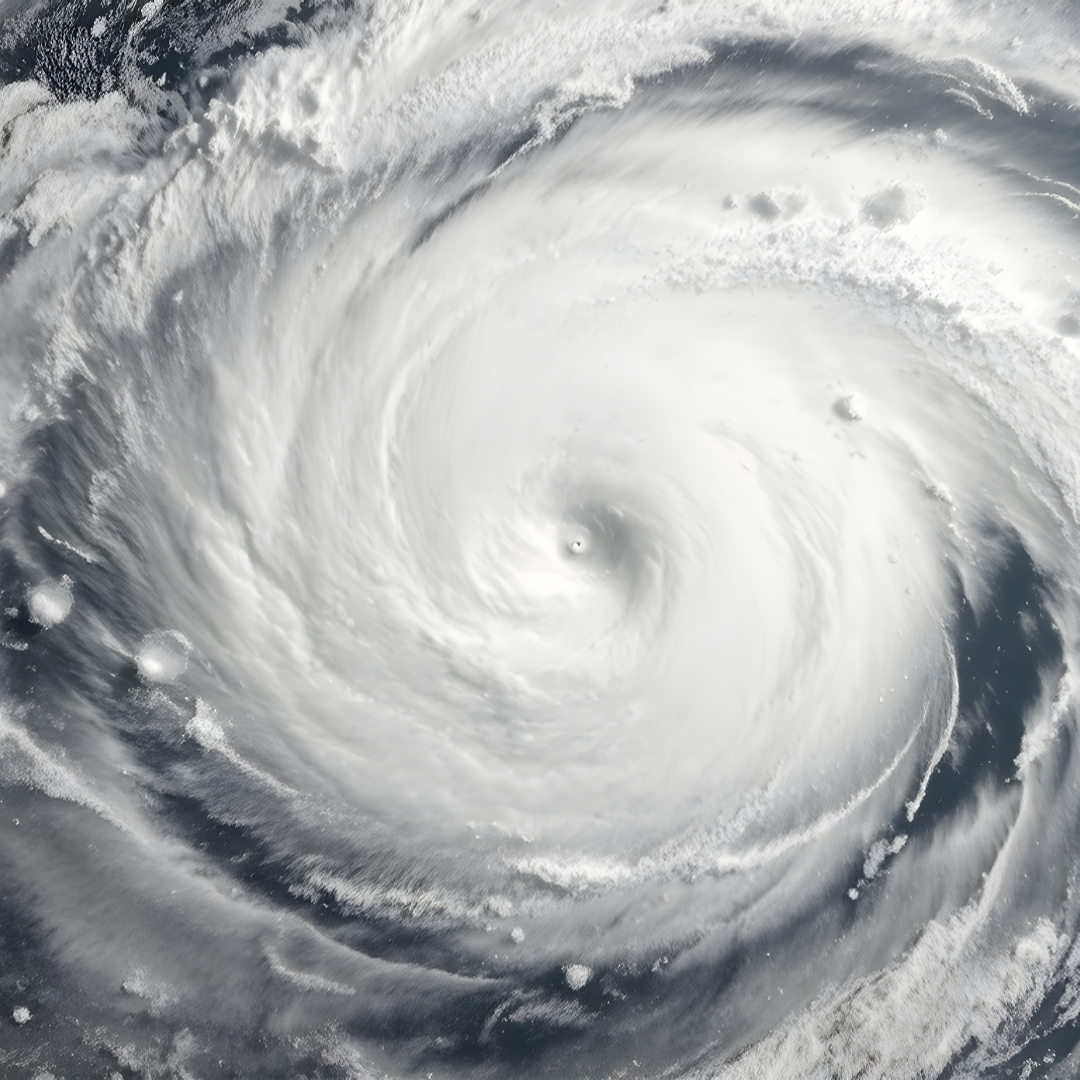
El Niño is a climate pattern that occurs when water in the equatorial Pacific Ocean becomes warmer than normal. This shift disrupts weather patterns across the globe.
These changes can impact:
- Rainfall patterns
- Temperatures
- Storm systems
- Allergy seasons in the United States
A “super” El Niño refers to a stronger than average event, which can lead to more noticeable and sometimes extreme weather changes. This is important to look out for when dealing with allergies because weather directly influences pollen, mold, and air quality, which are common allergy triggers.
What Are Allergies?
Allergies occur when your immune system overreacts to substances that are typically harmless, such as pollen, mold, dust, or pet dander.
Common symptoms include:
- Sneezing
- Nasal congestion
- Runny nose
- Itchy or watery eyes
- Sinus pressure
When environmental conditions change, those triggers can become more intense and more widespread. If you are unsure what is causing your symptoms, allergy testing can help. At Aspire Allergy & Sinus, we test for up to 58 of the most common allergies to help identify your specific triggers and guide treatment.
How Does El Niño Affect Allergies?
A strong El Niño can influence allergies in several important ways.
Increased Rain Leads to More Mold
El Niño often brings wetter conditions to parts of the southern United States, including Texas.
More moisture can lead to:
- Increased outdoor mold growth
- Higher indoor humidity levels
- Greater exposure to mold spores
Warmer Temperatures Extend Allergy Seasons
Warmer temperatures can result in:
- Earlier spring pollen seasons
- Longer fall allergy seasons
- Increased pollen production
Changes in Plant Growth
Shifts in rainfall and temperature affect vegetation. This can lead to:
- Stronger pollen seasons in some regions
- Changes in the types of allergens present
Overall, allergy seasons may become less predictable and more intense, which is something that no allergy sufferer wants to experience.
Hurricane Season and Allergies
Hurricanes and tropical storms can also affect allergy symptoms.
How Are Allergies Affected by Hurricanes?
Even though El Niño can sometimes reduce hurricane activity, storms can still occur and impact air quality.
Hurricanes can spread pollen and debris through strong winds, increase mold growth after flooding, and contribute to indoor air quality issues when buildings are damaged. As a result, many people experience worsening allergy symptoms in the days and weeks following a storm.
After a major storm, many people experience:
- Increased sinus pressure
- Ongoing nasal congestion
- Mold-related allergy symptoms
If your symptoms worsen after heavy rain or flooding, mold exposure may be a contributing factor.
What This Means for Allergy Season in 2026
If a “super” El Niño develops, you may notice allergy season starting earlier than expected, along with increased mold levels from higher moisture and more intense pollen exposure driven by warmer temperatures. Storms and flooding can also trigger allergy flare-ups, especially in the days that follow. Even a single storm event can create lingering issues by promoting mold growth and impacting air quality, which can keep symptoms going well beyond the initial weather event.
How to Prepare for More Intense Allergy Seasons
There are several steps you can take to reduce your exposure and manage symptoms:
- Monitor daily pollen and mold counts
- Keep windows closed during high pollen days
- Use high-efficiency air filters indoors
- Shower after spending time outside
- Begin treatment before symptoms peak
The most effective approach is to address the underlying cause of your allergies, not just the symptoms. If you are looking for long-term relief, scheduling an allergy test is an important first step to getting accurate, customized treatment options.
When to See an Allergy Specialist

You may benefit from seeing a specialist if you experience:
- Persistent or year-round symptoms
- Severe seasonal allergies
- Frequent sinus infections
- Limited relief from over-the-counter medications
Treatment Options for Managing El Niño Allergies
When weather patterns become more unpredictable, allergy symptoms can feel harder to control. That is why it is important to focus on long-term solutions that target the root cause of your allergies, not just temporary relief. At Aspire Allergy & Sinus, we offer several treatment options designed to help your body build tolerance to allergens, even during more intense seasons influenced by El Niño.
Allergy Shots
Allergy shots, also known as subcutaneous immunotherapy, are a highly effective treatment for allergies. This approach involves receiving small, controlled doses of the allergens that trigger your symptoms over time. As your immune system is gradually exposed, it becomes less reactive, leading to fewer and less severe symptoms.
Allergy Drops
Allergy drops, also known as sublingual immunotherapy, offer a convenient, needle-free alternative to allergy shots. These drops are taken daily at home by placing them under the tongue, where they are absorbed into the immune system. This option is ideal for patients with busy schedules or those who prefer to avoid frequent office visits.
ExACT Immunoplasty
ExACT Immunoplasty is an advanced, customized treatment option designed to deliver targeted relief more efficiently. This treatment uses precise and accurate dosing to help your immune system adjust more efficiently, providing faster relief and better control during allergy seasons.
No matter which treatment option you choose, the goal is the same: to reduce your sensitivity to allergens and give you lasting relief. If your symptoms tend to worsen with changes in weather, now is the time to take a proactive approach and explore which treatment is right for you.
FAQs About El Niño and Allergies
Will El Niño make my allergies worse?
Yes, El Niño can make your allergies worse. Changes in rainfall, temperature, and plant growth can increase exposure to allergens such as pollen and mold, which may worsen symptoms.
Why do my allergies get worse after it rains?
Rain can temporarily reduce pollen in the air, but it also creates ideal conditions for mold growth. This is why symptoms often worsen in the days following rainfall.
Does a milder hurricane season mean fewer allergy problems?
Not necessarily. Even one storm can lead to increased mold, poor air quality, and lingering allergy symptoms.
What is the best way to prevent severe allergy symptoms?
Start treatment early, identify your triggers, and consider long-term options if your symptoms return each year. Managing allergies proactively is more effective than waiting until symptoms become severe.
While weather patterns like El Niño cannot be controlled, the way your body responds to allergens can be. Shifts in temperature, moisture, and storm activity may make allergy seasons feel more intense and less predictable, but taking a proactive approach can make a meaningful difference in how you feel day to day.
If you are noticing that your allergies are becoming more persistent, more severe, or harder to manage with changes in weather, it may be time to take the next step. Scheduling an allergy test can help identify exactly what is causing your symptoms and develop personalized treatment options designed for lasting relief.
%20climate.png)

.png)