

Updated:
April 7, 2026
Can Allergies Cause Chest Tightness? What You Need to Know
Feeling tightness in your chest can be an alarming symptom, especially if you’re unsure whether allergies might be to blame. While allergies are often associated with sneezing, puffy eyes, and nasal congestion, they can also impact your respiratory system, leading to symptoms like chest tightness and shortness of breath. In some cases, allergic reactions can trigger a condition known as allergic asthma, which further complicates breathing and may require specialized treatment.
Understanding the difference between chest symptoms caused by allergies versus those caused by asthma or other conditions is crucial for your health and peace of mind. In this article, we’ll break down the connection between allergies and chest tightness, explain when you should seek help, and share how Aspire Allergy & Sinus can provide answers and relief.
What are allergies?
Allergies are one of the most common health conditions in the U.S., yet they’re often misunderstood. At their core, allergies occur when your immune system overreacts to something that is typically harmless, like pollen, dust, pet dander, certain foods, or mold. Instead of ignoring these substances, your body treats them as a threat, triggering symptoms and reactions. While allergies may seem like a minor inconvenience for some, they significantly impact daily life, sleep, productivity, and overall well-being for many people. Understanding what allergies are and how they affect your body is the first step toward finding real, lasting relief.
Common allergy symptoms
Allergy symptoms can look different from person to person, but they all stem from your immune system’s response to an allergen. When your body releases chemicals like histamine, it can trigger a wide range of reactions affecting your nose, eyes, skin, lungs, and overall comfort. Some symptoms may be mild and seasonal, while others can be persistent and disruptive to daily life. Common allergy symptoms include:
- Sneezing
- Runny or stuffy nose
- Itchy, watery, or red eyes
- Postnasal drip
- Coughing
- Chest tightness or discomfort
- Shortness of breath or wheezing
- Sore throat
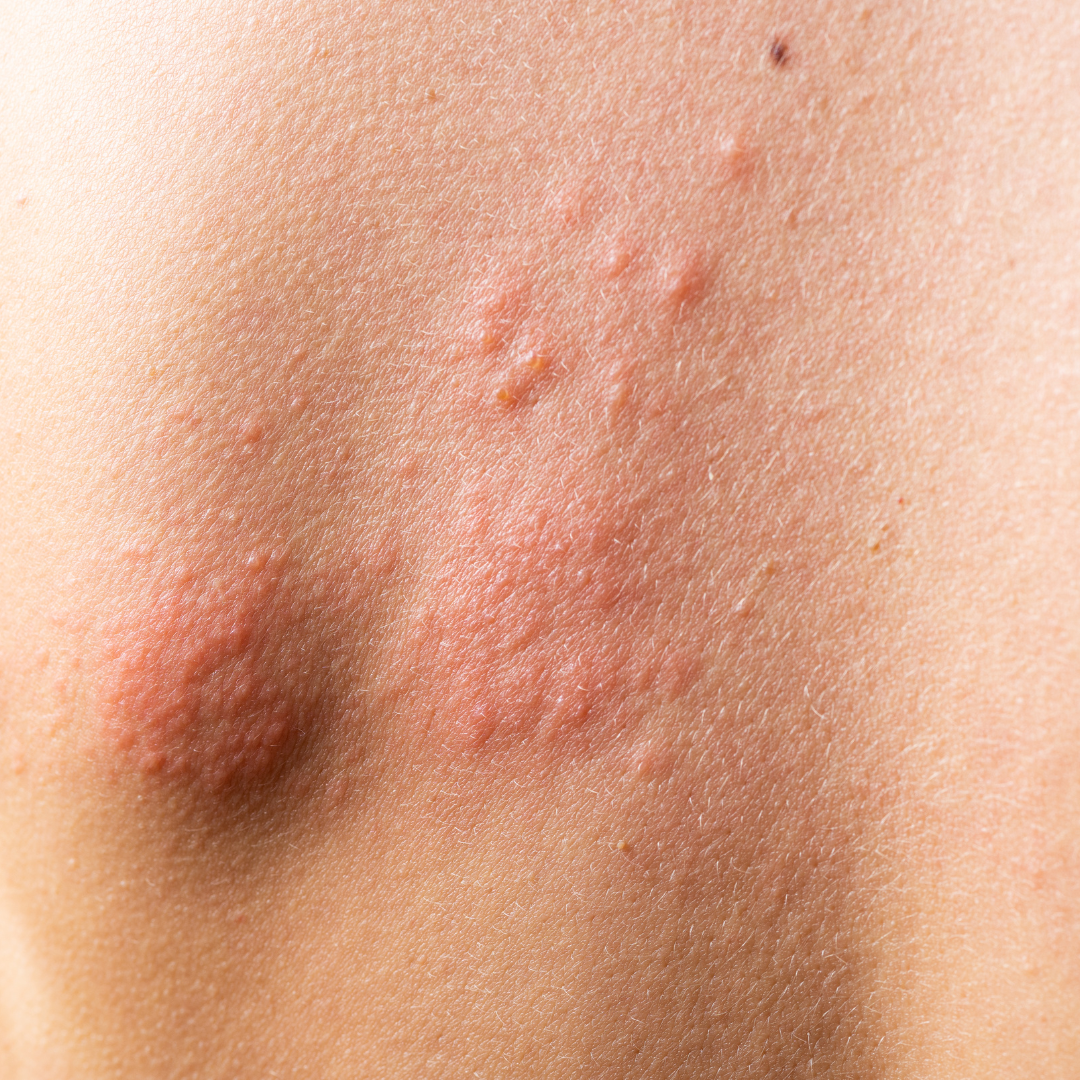
- Skin rashes, hives, or eczema flare-ups
- Fatigue and difficulty sleeping
Allergies and the respiratory system
Allergies don’t just cause sneezing and itchy eyes, but they can have a significant impact on your respiratory system. When allergens like pollen, dust, or pet dander enter your airways, your immune system reacts by inflaming the lining of your nose, throat, and lungs. Understanding how allergies affect your lungs and airways is key to managing symptoms and protecting your respiratory health.
Can allergies make asthma worse?
Yes, allergies can definitely make asthma worse.
When someone with asthma is exposed to allergens, their immune system can trigger inflammation in the airways, making them narrower and more sensitive. This can lead to increased asthma symptoms, including coughing, wheezing, shortness of breath, and chest tightness. For many people, allergic triggers are a key factor in asthma flare-ups, which is why identifying and managing allergies is an important part of controlling asthma and preventing severe attacks.
Do allergies cause chest tightness?
Yes, allergies can cause chest tightness. When your body reacts to an allergen, it releases chemicals like histamine that trigger inflammation in your airways and lungs. This inflammation can make your chest feel tight, heavy, or uncomfortable, and may be accompanied by coughing, wheezing, or shortness of breath. For some people, allergy chest pain may be mild, but for others, especially those with asthma or other respiratory conditions, it can be more severe and signal the need for prompt care. Recognizing chest tightness as a possible allergy symptom is an important step in managing your health and finding relief.
How to relieve chest tightness from allergies
The good news is that several strategies can help if your allergies are causing chest tightness. By reducing exposure to allergens and managing your symptoms, you can protect your respiratory health and feel more comfortable day to day. Some effective prevention strategies include:

- Identify and avoid triggers: Know which allergens cause your symptoms and limit exposure whenever possible. This can be done by getting an allergy test. At Aspire Allergy & Sinus, we test for up to 58 of the most common allergens.
- Keep indoor air clean: Use HEPA filters, vacuum regularly, and reduce dust, mold, and pet dander in your home.
- Take allergy medications as recommended: Antihistamines, nasal sprays, or other treatments can help control inflammation before it leads to chest tightness.
- Follow your asthma action plan: If you have asthma, use prescribed inhalers and monitor your symptoms closely.
- Monitor air quality and pollen counts: Stay indoors on high-pollen days or when air quality is poor.
- Practice good respiratory hygiene: Washing hands, keeping windows closed during high pollen seasons, and avoiding smoking or secondhand smoke can help keep airways clear.
Treating allergies for chest tightness
For people experiencing seasonal allergies, chest pain, and other allergy-related symptoms, long-term treatments can provide lasting relief by addressing the root cause of the allergic reaction rather than just the symptoms. Several options are available depending on your needs and lifestyle:
Allergy Shots (Subcutaneous Immunotherapy): Allergy shots can help build your immune system's tolerance to allergens over time, reducing symptoms like chest tightness, sneezing, and congestion.
Allergy Drops (Sublingual Immunotherapy): These drops work similarly to allergy shots to gradually desensitize your body to specific allergens. Just three drops a day under the tongue, taken at home, makes them a great option for kids.
ExACT Immunoplasty (Intralymphatic Immunotherapy): A minimally invasive in-office procedure designed to target the underlying cause of nasal inflammation and improve long-term allergy and sinus symptoms in just eight weeks!
These treatments are tailored to each patient and can significantly reduce allergy symptoms, including chest tightness, over time. Discussing your options with a qualified provider can help determine which approach is best for your lifestyle and health goals.
Frequently asked questions about allergies and chest tightness
What should I do if over-the-counter allergy medications aren’t helping my chest tightness?
If over-the-counter allergy medications aren’t relieving your chest tightness, it’s important not to ignore the symptom. Chest tightness can indicate that your allergies are affecting your airways more significantly, and in some cases, it could be related to asthma or another underlying respiratory condition. The best next step is to schedule an appointment with an allergist or your healthcare provider. We can help identify your specific triggers, assess your lung function, and recommend more targeted treatments. Prompt evaluation ensures your symptoms are properly managed and helps prevent complications.
Can children experience allergy-related chest tightness?

Yes, children can experience chest tightness related to allergies. When a child’s immune system reacts to allergens like pollen, dust, mold, or pet dander, it can cause inflammation in the airways, leading to symptoms such as coughing, wheezing, shortness of breath, and that tight or uncomfortable feeling in the chest. This can be especially concerning in children who also have asthma, as allergies are a common trigger for asthma flare-ups. If your child is experiencing chest tightness, it’s important to have them evaluated by a healthcare provider or allergist. We can identify their specific triggers and develop a treatment plan, whether that’s medications, allergy immunotherapy, or other interventions, to help keep their airways clear and symptoms under control.
When should I see a specialist at Aspire for chest tightness?
You should consider seeing a specialist at Aspire Allergy & Sinus for chest tightness if your symptoms are persistent, worsening, or interfering with daily activities. It’s especially important to schedule an appointment if:
- Chest tightness occurs frequently or is severe
- You notice it along with coughing, wheezing, or shortness of breath
- Over-the-counter allergy medications aren’t providing relief
- You have a history of asthma or other respiratory conditions
- Symptoms are triggered by specific allergens or seem seasonal
At Aspire, our specialists can evaluate your symptoms, identify triggers, and recommend personalized treatments, ranging from allergy immunotherapy to advanced sinus procedures, so you can breathe easier and reduce the risk of complications.
Get the relief you need from Aspire Allergy & Sinus
Allergies can affect more than just your nose and eyes; they can also impact your lungs and lead to chest tightness, coughing, and difficulty breathing. Understanding your triggers and seeking appropriate care is key to managing these symptoms and protecting your respiratory health. If you or a loved one is experiencing chest tightness related to allergies, don’t wait to get relief. Schedule an appointment with a specialist at Aspire Allergy & Sinus today to identify your triggers and explore personalized treatment options that can help you breathe easier and live more comfortably.

%20climate.png)

.png)