
Updated:

October 8, 2019

What Are the Worst Allergies in San Antonio?

San Antonio is amazing with some of the best food, people and places to visit in the country.  We’ve got warm weather, amazing food, rich history, good basketball, and tons of interesting places both indoor and out! And since San Antonio is good at everything, we’re also good at having allergies. In fact, we’re the #11th best (or worst depending on how you look at it) city in the nation for allergies.

How To Deal With Allergies in San Antonio

If you live in San Antonio, you know allergy season isn’t just a season; it can feel like a year-round struggle. From itchy eyes and nonstop sneezing to sinus pressure that just won’t quit, local allergens have a way of making themselves known. Thanks to the warm climate and unique mix of trees, grasses, and molds, San Antonio consistently ranks as a tough place for allergy sufferers. In this blog, we’re breaking down the worst allergies in San Antonio, when they tend to peak, and what you can do to finally find relief.

Why does San Antonio have bad allergies?

San Antonio’s allergy symptoms are largely driven by a mix of outdoor pollens and indoor allergens that thrive in the warm, often humid climate. Here’s a review of the most common allergy triggers in the area and when they tend to cause the most trouble:

Tree pollen
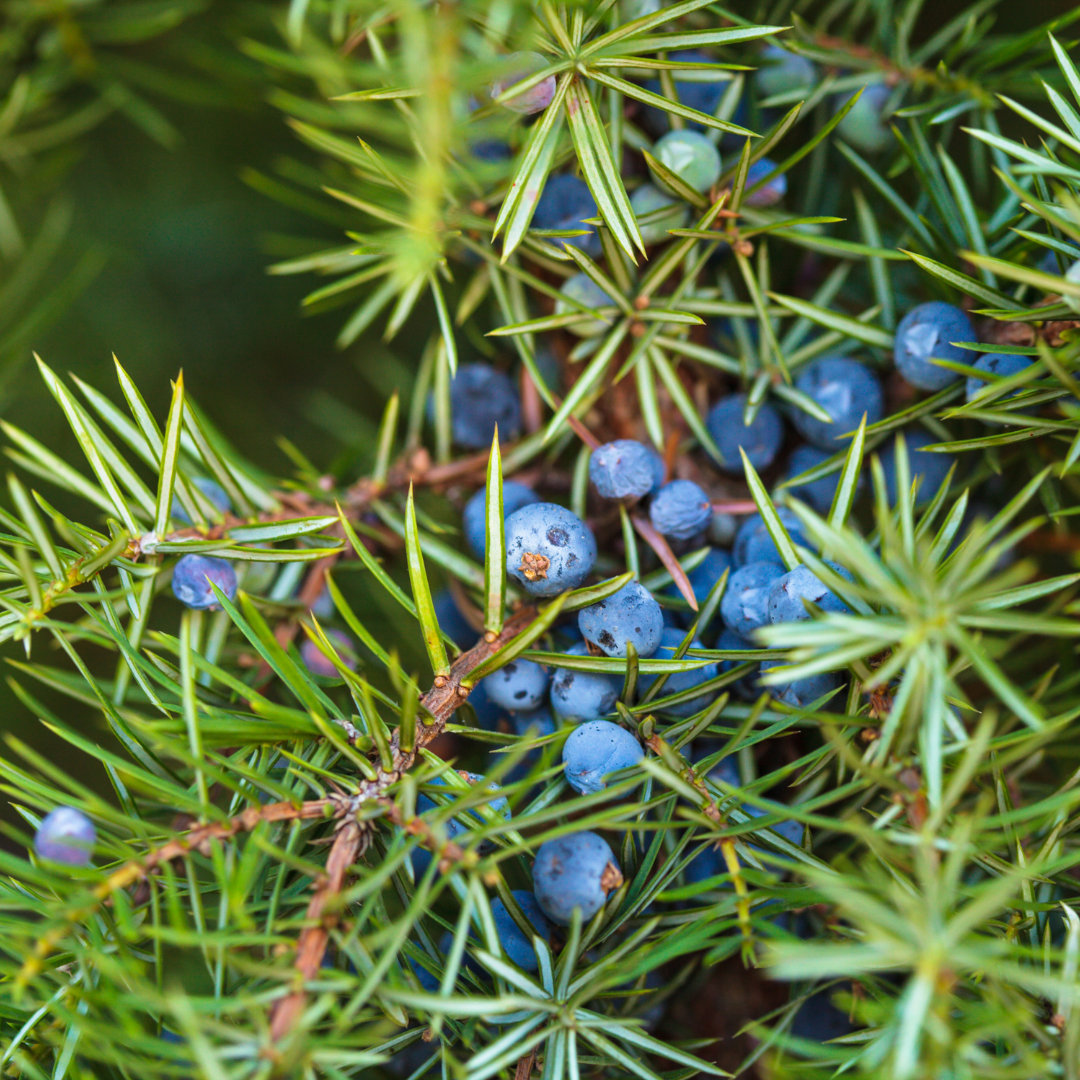
Juniper (Cedar) Tree

Tree allergies are especially problematic in late winter and early spring, with mountain cedar (juniper) being the most notorious culprit, often causing severe symptoms from December through February. Other common tree pollens in San Antonio include oak, ash, elm, pecan, and mulberry, which typically peak in the spring and can trigger congestion, sneezing, and itchy eyes.

Grass pollen

Grass allergies tend to flare up in late spring and summer. In South Texas, Bermuda grass is a major trigger, along with Johnson grass, rye grass, and Timothy grass. These pollens are easily airborne and commonly cause persistent sneezing, a runny nose, and worsening asthma symptoms.

Weed pollen

Weed allergies are most common in late summer and fall. Ragweed is the best-known offender, but pigweed and lambsquarter also play a significant role in San Antonio allergy symptoms, often causing prolonged nasal and sinus irritation.

Indoor allergens (dust & mold) 

Dust mites are a frequent trigger, especially in homes with carpeting or upholstered furniture. Mold is another major concern due to humidity and can be found both indoors (bathrooms, HVAC systems) and outdoors, contributing to year-round allergy symptoms rather than a single seasonal flare.

Download our free allergy calendar customized for your area to track peak allergen seasons and identify what might be affecting you:

How long is the allergy season in San Antonio?

In San Antonio, allergy season is less of a season and more of a nearly year-round experience. Thanks to the area’s mild winters, long growing seasons, and warm, humid climate, different San Antonio allergens overlap instead of taking turns. Tree pollen can begin as early as December with mountain cedar (juniper) and continue through spring as oak, ash, and elm take over. Grass pollen typically peaks from late spring through summer, while weed pollens like ragweed rise in late summer and fall. On top of outdoor allergens, indoor triggers such as dust mites and mold are present throughout the year, often keeping symptoms lingering even when outdoor pollen counts drop.

Download your free allergy calendar here!

Common Houston Allergies

Houston’s climate makes it a hotspot for allergens nearly year-round. From tree and grass pollen to mold and ragweed, allergens thrive in the city’s warm, humid conditions. If you’re struggling with sneezing, congestion, itchy eyes, or other allergy symptoms, one of these common Houston allergens could be the culprit:

Tree Pollen

Tree pollen season in Houston typically starts in January and can last through September. Mild winters allow trees to produce pollen in Houston for longer periods, making allergies worse. The most troublesome trees for allergy sufferers include:

  • Cedar – A major cause of "cedar fever" in the winter and early spring.
  • Oak – Produces heavy pollen in the spring, coating surfaces in yellow dust.
  • Pine – High pollen counts in late winter and early spring.
  • Ash – Peaks in the spring, triggering allergies with fine pollen particles.
  • Pecan – Blooms in the spring and is a strong allergen for many Houstonians.
  • Elm – Common in urban areas, with peak pollen season in late winter and early spring.

Grass Pollen

Grass pollen is one of the most common allergy triggers worldwide, and Houston is no exception. Grasses release pollen from March through July, with symptoms often worsening during peak summer months. The most allergy-inducing grasses in Houston include:

  • Timothy – A highly allergenic grass that blooms in late spring and early summer.
  • Orchard – Common in lawns and meadows, peaking in spring and summer.
  • Sweet Vernal – Produces a strong pollen that triggers allergies in spring and early summer.
  • Bahia – Grows aggressively in warm climates and releases pollen in summer.
  • Bluegrass – A common lawn grass that produces allergenic pollen in spring and summer.

Ragweed Pollen

Ragweed is one of the most notorious fall allergens, typically causing allergy symptoms from mid-August through November in Houston. Just one ragweed plant can produce over a billion grains of pollen, making it nearly impossible to avoid. If you suffer from fall allergies, ragweed is likely to blame.

Mold

Houston’s humidity and frequent rain make mold a year-round issue, especially indoors. Mold spores can trigger allergic reactions, worsen asthma symptoms, and lead to chronic sinus problems. Common mold sources include:

  • Damp areas in homes, such as bathrooms and basements
  • Flood-damaged buildings and walls
  • Decaying leaves and outdoor plant debris

If you’re experiencing persistent allergy symptoms, it’s important to identify the triggers and seek effective treatment options. Houston’s allergy season may be long, but relief is possible with the right care and prevention strategies.

How long is allergy season in Houston?

Houston’s climate creates the perfect environment for pollen to thrive nearly year-round. Allergy season typically begins in January with tree pollen, followed by grass pollen peaking from March through July and ragweed season kicking in from mid-August to November. While some relief comes in the winter months, mold and indoor allergens remain a constant issue. Unfortunately, as winters continue to warm, pollen seasons are lasting even longer, leading to more intense allergy symptoms for many Houstonians.

Want to stay ahead of allergy season? Download our free allergy calendar customized for your area to track peak pollen seasons and pinpoint what’s triggering your allergies.

Download your free allergy calendar here!

Download your free allergy calendar here!

Seasonal Allergy Symptoms: 

Whether it’s tree pollen in the spring, grass pollen in the summer, or ragweed in the fall, allergens can make daily life miserable. Some of the most common allergy symptoms include:

  • Excessive sneezing – Frequent sneezing fits, especially when outdoors.
  • Runny nose – Clear, watery discharge caused by airborne allergens.
  • Nasal congestion – Stuffy nose that makes it hard to breathe.
  • Allergy fatigue – Feeling constantly tired or sluggish due to an overactive immune response.
  • Itchy, watery, or burning eyes – A classic sign of seasonal allergies.
  • Coughing – Often triggered by postnasal drip or airborne irritants.
  • Rashes or hives – Skin reactions caused by allergens like pollen or mold.
  • Shortness of breath or wheezing – Can be especially problematic for those with asthma.

Over-the-counter antihistamines like Benadryl can provide temporary relief, but they only mask the symptoms. For real, long-term relief, explore our allergy treatments that target the root cause and help you live allergy-free.

How to prevent Houston allergies 

Managing allergies in Houston starts with preparation and prevention. Taking proactive steps can help reduce symptoms and improve your quality of life during the year-round Houston allergy season. Here are some essential tips to minimize allergy flare-ups:

  • Get an allergy test – Knowing what you’re allergic to allows you to take targeted precautions before peak allergy season hits.
  • Use a HEPA air filter – These filters trap pollen, dust, and other allergens to keep your indoor air cleaner.
  • Wash off after being outside – Allergens stick to your hair, skin, and clothing, so showering and changing clothes can prevent them from spreading inside.
  • Time your outdoor activities – Pollen counts are highest in the morning, so schedule outdoor chores for later in the day when possible.
  • Wash bedding frequently – Clean sheets and pillowcases in hot, soapy water to remove lingering allergens.
  • Close windows and doors – Keep pollen and mold spores out by sealing your home during peak allergy seasons.
  • Check the daily allergy report – Stay informed about the Houston pollen and mold counts by checking local resources like Houston Health or Pollen.com.

By taking these steps, you can reduce allergen exposure and better manage your symptoms.

Where to get an allergy test in Houston, Texas?

‍If you’re experiencing persistent allergy symptoms, getting tested is the first step toward finding real relief. At Aspire Allergy & Sinus, we offer comprehensive allergy testing to identify exactly what’s triggering your symptoms. Our tests screen for 58 of the most common allergens in Houston, including tree, grass, and weed pollens, mold, pet dander, and dust mites. With multiple clinic locations across Houston, our expert team makes it easy to get tested and start a personalized treatment plan. Don't just guess what you're allergic to—schedule your allergy test today and take control of your symptoms!

Allergy treatment in Houston, Texas

At Aspire Allergy & Sinus, we offer a wide range of allergy treatments tailored for both seasonal and environmental allergies. With convenient clinics across Houston and its surrounding areas, we’re here to provide relief no matter where you live. Our locations include The Woodlands, Kingwood, Katy, Sugar Land, Uptown Houston, Pearland, and Webster—all ready to serve you!

Our expert Houston team includes:

Ready to breathe easier? Schedule your appointment online today at one of our many Houston clinics and take the first step toward allergy relief!

Allergy Shots

Allergy shots, also known as subcutaneous immunotherapy, are an effective treatment for those looking to build long-term immunity against allergens. During treatment, you'll visit our office on a weekly or monthly basis to receive small doses of the allergens that trigger your symptoms. Over time, this helps boost your immune system and reduce your allergy reactions. 

Allergy Drops

For a more convenient option, allergy drops offer an easy way to manage allergies through sublingual immunotherapy. Simply place three drops under your tongue each day to start building immunity against your allergens. This treatment is perfect for those with busy schedules, offering relief without the need for office visits. Allergy drops are portable and easy to use, making them ideal for people always on the go!

ExACT Immunoplasty

If you're looking for a faster way to tackle your allergies, ExACT Immunoplasty could be the solution. This innovative treatment allows you to find quick relief from your allergy symptoms in just three easy appointments. ExACT is just as effective as three years of allergy shots, but in a fraction of the time. 

Frequently asked questions about allergies in Houston

We answer some of the most common questions about allergies in Houston, helping you understand symptoms, treatment options, and how to find relief.

When is allergy season in Houston?

Allergy season in Houston is almost year-round due to the warm, humid climate. Tree pollen starts as early as January and can last through the spring months, followed by grass pollen in the summer. Ragweed takes over in late summer and continues into the fall, while mold is a year-round concern, especially during our rainy periods. Because allergens are present for much of the year, it’s important to stay proactive with treatment to manage symptoms effectively.

Why are my allergies so bad in Houston right now?

There could be several reasons why your allergies are particularly bad right now in Houston. The city’s warm, humid climate creates the perfect environment for allergens like tree pollen, grass pollen, and mold to thrive. Depending on the time of year, one or more of these allergens could be at their peak, making symptoms worse. Additionally, Houston's fluctuating weather patterns and rainfall can lead to higher pollen counts and mold growth. If your symptoms are persistent, it might be time to consider an allergy test to pinpoint exactly what’s affecting you and find a treatment plan that works.

Is Houston a bad city for allergies?

Yes, unfortunately, Houston is known to be a challenging place for people with allergies. With a longer growing season and high pollen counts, many residents experience symptoms from tree pollen in the spring, grass pollen in the summer, and ragweed in the fall. Combined with frequent rainfall and high humidity, Houston's environment can make allergy sufferers more susceptible to persistent symptoms. However, with proper testing and treatment, relief is possible.

Trust Your Houston Allergies to Aspire Allergy & Sinus

Houston is an amazing place to live, with endless attractions and vibrant culture. Don't let allergies hold you back from enjoying everything this city has to offer. At Aspire Allergy & Sinus, we are committed to finding the right treatment for your specific needs so you can finally experience lasting relief. Stop letting your Houston allergies control your life—take the first step toward a symptom-free life today. Book your appointment online now and start living allergy-free!

Common Houston Allergies

Houston’s climate makes it a hotspot for allergens nearly year-round. From tree and grass pollen to mold and ragweed, allergens thrive in the city’s warm, humid conditions. If you’re struggling with sneezing, congestion, itchy eyes, or other allergy symptoms, one of these common Houston allergens could be the culprit:

Tree Pollen

Tree pollen season in Houston typically starts in January and can last through September. Mild winters allow trees to produce pollen in Houston for longer periods, making allergies worse. The most troublesome trees for allergy sufferers include:

  • Cedar – A major cause of "cedar fever" in the winter and early spring.
  • Oak – Produces heavy pollen in the spring, coating surfaces in yellow dust.
  • Pine – High pollen counts in late winter and early spring.
  • Ash – Peaks in the spring, triggering allergies with fine pollen particles.
  • Pecan – Blooms in the spring and is a strong allergen for many Houstonians.
  • Elm – Common in urban areas, with peak pollen season in late winter and early spring.

Grass Pollen

Grass pollen is one of the most common allergy triggers worldwide, and Houston is no exception. Grasses release pollen from March through July, with symptoms often worsening during peak summer months. The most allergy-inducing grasses in Houston include:

  • Timothy – A highly allergenic grass that blooms in late spring and early summer.
  • Orchard – Common in lawns and meadows, peaking in spring and summer.
  • Sweet Vernal – Produces a strong pollen that triggers allergies in spring and early summer.
  • Bahia – Grows aggressively in warm climates and releases pollen in summer.
  • Bluegrass – A common lawn grass that produces allergenic pollen in spring and summer.

Ragweed Pollen

Ragweed is one of the most notorious fall allergens, typically causing allergy symptoms from mid-August through November in Houston. Just one ragweed plant can produce over a billion grains of pollen, making it nearly impossible to avoid. If you suffer from fall allergies, ragweed is likely to blame.

Mold

Houston’s humidity and frequent rain make mold a year-round issue, especially indoors. Mold spores can trigger allergic reactions, worsen asthma symptoms, and lead to chronic sinus problems. Common mold sources include:

  • Damp areas in homes, such as bathrooms and basements
  • Flood-damaged buildings and walls
  • Decaying leaves and outdoor plant debris

If you’re experiencing persistent allergy symptoms, it’s important to identify the triggers and seek effective treatment options. Houston’s allergy season may be long, but relief is possible with the right care and prevention strategies.

How long is allergy season in Houston?

Houston’s climate creates the perfect environment for pollen to thrive nearly year-round. Allergy season typically begins in January with tree pollen, followed by grass pollen peaking from March through July and ragweed season kicking in from mid-August to November. While some relief comes in the winter months, mold and indoor allergens remain a constant issue. Unfortunately, as winters continue to warm, pollen seasons are lasting even longer, leading to more intense allergy symptoms for many Houstonians.

Want to stay ahead of allergy season? Download our free allergy calendar customized for your area to track peak pollen seasons and pinpoint what’s triggering your allergies.

Download your free allergy calendar here!

Download your free allergy calendar here!

Seasonal Allergy Symptoms: 

Whether it’s tree pollen in the spring, grass pollen in the summer, or ragweed in the fall, allergens can make daily life miserable. Some of the most common allergy symptoms include:

  • Excessive sneezing – Frequent sneezing fits, especially when outdoors.
  • Runny nose – Clear, watery discharge caused by airborne allergens.
  • Nasal congestion – Stuffy nose that makes it hard to breathe.
  • Allergy fatigue – Feeling constantly tired or sluggish due to an overactive immune response.
  • Itchy, watery, or burning eyes – A classic sign of seasonal allergies.
  • Coughing – Often triggered by postnasal drip or airborne irritants.
  • Rashes or hives – Skin reactions caused by allergens like pollen or mold.
  • Shortness of breath or wheezing – Can be especially problematic for those with asthma.

Over-the-counter antihistamines like Benadryl can provide temporary relief, but they only mask the symptoms. For real, long-term relief, explore our allergy treatments that target the root cause and help you live allergy-free.

How to prevent Houston allergies 

Managing allergies in Houston starts with preparation and prevention. Taking proactive steps can help reduce symptoms and improve your quality of life during the year-round Houston allergy season. Here are some essential tips to minimize allergy flare-ups:

  • Get an allergy test – Knowing what you’re allergic to allows you to take targeted precautions before peak allergy season hits.
  • Use a HEPA air filter – These filters trap pollen, dust, and other allergens to keep your indoor air cleaner.
  • Wash off after being outside – Allergens stick to your hair, skin, and clothing, so showering and changing clothes can prevent them from spreading inside.
  • Time your outdoor activities – Pollen counts are highest in the morning, so schedule outdoor chores for later in the day when possible.
  • Wash bedding frequently – Clean sheets and pillowcases in hot, soapy water to remove lingering allergens.
  • Close windows and doors – Keep pollen and mold spores out by sealing your home during peak allergy seasons.
  • Check the daily allergy report – Stay informed about the Houston pollen and mold counts by checking local resources like Houston Health or Pollen.com.

By taking these steps, you can reduce allergen exposure and better manage your symptoms.

Where to get an allergy test in Houston, Texas?

‍If you’re experiencing persistent allergy symptoms, getting tested is the first step toward finding real relief. At Aspire Allergy & Sinus, we offer comprehensive allergy testing to identify exactly what’s triggering your symptoms. Our tests screen for 58 of the most common allergens in Houston, including tree, grass, and weed pollens, mold, pet dander, and dust mites. With multiple clinic locations across Houston, our expert team makes it easy to get tested and start a personalized treatment plan. Don't just guess what you're allergic to—schedule your allergy test today and take control of your symptoms!

Allergy treatment in Houston, Texas

At Aspire Allergy & Sinus, we offer a wide range of allergy treatments tailored for both seasonal and environmental allergies. With convenient clinics across Houston and its surrounding areas, we’re here to provide relief no matter where you live. Our locations include The Woodlands, Kingwood, Katy, Sugar Land, Uptown Houston, Pearland, and Webster—all ready to serve you!

Our expert Houston team includes:

Ready to breathe easier? Schedule your appointment online today at one of our many Houston clinics and take the first step toward allergy relief!

Allergy Shots

Allergy shots, also known as subcutaneous immunotherapy, are an effective treatment for those looking to build long-term immunity against allergens. During treatment, you'll visit our office on a weekly or monthly basis to receive small doses of the allergens that trigger your symptoms. Over time, this helps boost your immune system and reduce your allergy reactions. 

Allergy Drops

For a more convenient option, allergy drops offer an easy way to manage allergies through sublingual immunotherapy. Simply place three drops under your tongue each day to start building immunity against your allergens. This treatment is perfect for those with busy schedules, offering relief without the need for office visits. Allergy drops are portable and easy to use, making them ideal for people always on the go!

ExACT Immunoplasty

If you're looking for a faster way to tackle your allergies, ExACT Immunoplasty could be the solution. This innovative treatment allows you to find quick relief from your allergy symptoms in just three easy appointments. ExACT is just as effective as three years of allergy shots, but in a fraction of the time. 

Frequently asked questions about allergies in Houston

We answer some of the most common questions about allergies in Houston, helping you understand symptoms, treatment options, and how to find relief.

When is allergy season in Houston?

Allergy season in Houston is almost year-round due to the warm, humid climate. Tree pollen starts as early as January and can last through the spring months, followed by grass pollen in the summer. Ragweed takes over in late summer and continues into the fall, while mold is a year-round concern, especially during our rainy periods. Because allergens are present for much of the year, it’s important to stay proactive with treatment to manage symptoms effectively.

Why are my allergies so bad in Houston right now?

There could be several reasons why your allergies are particularly bad right now in Houston. The city’s warm, humid climate creates the perfect environment for allergens like tree pollen, grass pollen, and mold to thrive. Depending on the time of year, one or more of these allergens could be at their peak, making symptoms worse. Additionally, Houston's fluctuating weather patterns and rainfall can lead to higher pollen counts and mold growth. If your symptoms are persistent, it might be time to consider an allergy test to pinpoint exactly what’s affecting you and find a treatment plan that works.

Is Houston a bad city for allergies?

Yes, unfortunately, Houston is known to be a challenging place for people with allergies. With a longer growing season and high pollen counts, many residents experience symptoms from tree pollen in the spring, grass pollen in the summer, and ragweed in the fall. Combined with frequent rainfall and high humidity, Houston's environment can make allergy sufferers more susceptible to persistent symptoms. However, with proper testing and treatment, relief is possible.

Trust Your Houston Allergies to Aspire Allergy & Sinus

Houston is an amazing place to live, with endless attractions and vibrant culture. Don't let allergies hold you back from enjoying everything this city has to offer. At Aspire Allergy & Sinus, we are committed to finding the right treatment for your specific needs so you can finally experience lasting relief. Stop letting your Houston allergies control your life—take the first step toward a symptom-free life today. Book your appointment online now and start living allergy-free!

Common Allergy Symptoms 

Allergy symptoms in San Antonio can range from mild annoyances to severe, flu-like discomfort, especially during peak seasons like cedar fever in the winter. Because local allergens are so potent and long-lasting, many people experience intense or overlapping symptoms depending on the time of year. Common allergy symptoms in the San Antonio area include:

  • Nasal congestion and sinus pressure: One of the most common complaints, often caused by mountain cedar, oak, and grass pollens, leading to facial pressure, headaches, and post-nasal drip.
  • Sneezing and runny nose: Frequent, repetitive sneezing and clear nasal drainage are classic signs of seasonal allergies, particularly during cedar and ragweed season.

  • Itchy, watery, or red eyes: Eye symptoms are common with high pollen counts and can worsen outdoors or on windy days.

  • Cedar fever symptoms: During mountain cedar season, many people experience more severe reactions, including extreme congestion, fatigue, sore throat, body aches, and low-grade fever-like symptoms, often mistaken for a cold or flu. Not sure if it’s a cold or allergies? Take our quick quiz to help determine your exact illness. 

  • Coughing and throat irritation: Post-nasal drip and airway irritation can cause a lingering cough or constant throat clearing.

  • Worsening asthma or shortness of breath: Grass and weed pollens can trigger asthma flares, chest tightness, or wheezing, especially in children and those with underlying respiratory conditions.

  • Chronic fatigue and poor sleep: Ongoing congestion and inflammation can disrupt sleep, leaving many San Antonio allergy sufferers feeling exhausted during peak seasons.

Because these symptoms can last for weeks or even months in San Antonio, many people don’t realize allergies are the root cause, making proper diagnosis and treatment especially important.

Best ways to prevent allergies in San Antonio

While you can’t eliminate allergens in San Antonio entirely, there are several effective ways to reduce exposure and better manage symptoms throughout the year. Because allergy season here is long and intense, prevention often requires a combination of environmental control, daily habits, and medical care. Helpful ways to prevent or minimize San Antonio allergy symptoms include:

  • Monitor local pollen counts: On high pollen days, limit time outdoors, keep windows closed, and plan activities for later in the day when counts may be lower.

  • Shower and change clothes after being outdoors: Pollen easily clings to skin, hair, and clothing, so rinsing off and changing helps prevent allergens from spreading throughout your home.

  • Use high-quality air filtration: HEPA air purifiers and high-efficiency HVAC filters can reduce indoor pollen, dust mites, and mold spores, common year-round triggers in San Antonio homes.

  • Protect yourself outdoors: Wearing sunglasses, a hat, or even a mask during peak pollen seasons can reduce pollen exposure to the eyes, nose, and mouth.

  • Consider allergy testing and long-term treatment: Identifying your specific triggers through allergy testing allows for targeted treatment options, such as allergen immunotherapy, that can reduce symptoms over time rather than just masking them.

Taking these proactive steps can make a noticeable difference, especially for San Antonio residents who deal with overlapping allergy seasons year after year.

Allergy Treatments in San Antonio

For many people in San Antonio, over-the-counter medications only provide temporary relief from long, intense allergy seasons. That’s why we offer personalized allergy treatments designed to address the root cause of symptoms. After identifying your specific triggers through allergy testing, we create a treatment plan tailored to your lifestyle and severity of symptoms. Allergy treatment options we offer include:

Allergy shots (subcutaneous immunotherapy)

Allergy shots work by gradually exposing your immune system to small, increasing amounts of the allergens that trigger your symptoms. Over time, this helps your body build tolerance, leading to fewer and less severe reactions. Allergy shots are a long-term, proven option for treating environmental allergies such as tree, grass, and weed pollen, as well as dust mites and mold.

Allergy drops (sublingual immunotherapy)

Allergy drops are a convenient, needle-free alternative to shots that are taken daily at home under the tongue. Like shots, they help retrain your immune system to better tolerate allergens over time. Allergy drops are ideal for patients with busy schedules, children, or anyone looking for a flexible treatment option while still achieving lasting relief.

ExACT Immunoplasty (intralymphatic immunotherapy): 

ExACT Immunoplasty is an advanced treatment option designed to deliver higher, more targeted doses of allergens in a shorter period of time. This approach can help reduce allergy symptoms faster than traditional immunotherapy and is especially helpful for patients with severe or persistent allergies common in the San Antonio area, such as mountain cedar.

With the right treatment plan, many patients experience significant improvement in their symptoms, better sleep, and a better quality of life, despite San Antonio’s challenging allergy environment.

Our San Antonio team is highly trained in allergy testing, diagnosis, and long-term treatment for the outdoor allergens that impact this region the most. Patients are cared for by experienced providers, including Dr. Kirk Waibel, allergist; Dr. Robert Paul Fulmer, sinus surgeon; Dr. Bruce G. Martin, allergist; Alyssa Arredondo, MPAS, PA-C; James Govoni, MPSAS, PA-C; Jason Williams, PA-C; and Angelica Aguilar, MSN, RN, APRN, FNP-BC, all dedicated to helping you find lasting relief in one of the country’s toughest allergy environments.

Frequently asked questions about San Antonio allergies

Answering the top-asked questions regarding allergies in San Antonio, Texas.

Why are allergies so bad in San Antonio, Texas?

Allergies are especially bad in San Antonio because of the warm climate, mild winters, and long growing seasons, which allow plants to release pollen for much of the year instead of in short bursts. One of the biggest contributors is mountain cedar (juniper), which releases massive amounts of pollen in the winter and triggers what many people know as cedar fever. On top of that, spring tree pollens, summer grasses, fall weeds, and year-round mold and dust mites often overlap, making it feel like symptoms never fully go away.

What month are allergies the worst in San Antonio?

For many people, January and February are the most difficult due to peak mountain cedar (juniper) levels. Others struggle more in spring (March–May) from oak and grass pollens or in late summer and fall (August–October) from weeds like ragweed. 

Where can I get allergy tested in San Antonio, Texas?

If you’re wondering where to get allergy tested in San Antonio, Texas, allergy testing is available at Aspire Allergy & Sinus clinics throughout the area, including locations in Alamo Heights, Far West (near Helotes), Stone Oak/Hollywood Park, Westover Hills, and nearby New Braunfels. Allergy testing helps identify your specific triggers so we can create a personalized treatment plan, whether that includes medications, lifestyle changes, or long-term options like allergen immunotherapy, to help you finally get lasting relief.

Take control of your San Antonio allergies today

If you’re tired of managing allergy symptoms and ready for real, long-term relief, our allergy specialists at Aspire Allergy & Sinus are here to help. With personalized testing and proven treatment options designed for San Antonio’s toughest allergens, we focus on treating the root cause, not just the symptoms. Schedule your appointment online today and take the first step toward breathing easier and feeling better year-round!

About The Author:

Kirk Waibel, MD

Head shot of Kirk Waibel, MD, Aspire Allergy & Sinus physician